日本の大晦日に響き渡る「除夜の鐘」は、新年を迎える最も神聖な伝統行事の一つです。
全国のお寺で108回撞かれるこの鐘の音には、深い仏教的な意味が込められています。
本記事では、除夜の鐘の由来や108回という数字の意味、現代における開催状況、そして外国人に英語で説明する際に役立つ表現を詳しく紹介します。
欧米のクリスマスやカウントダウンとは異なる、日本独特の静かで厳かな年越しの風景を、どのように伝えればよいのでしょうか。
実践的な英語フレーズとともに、除夜の鐘の魅力を解説していきます。
目次
除夜の鐘とは?基本的な意味を理解しよう
除夜の鐘は、大晦日の深夜から新年にかけてお寺の梵鐘を108回撞く日本の伝統行事です。「除夜」とは旧年を除く夜、つまり大晦日の夜を意味します。
英語での説明: “Joya no Kane refers to the Buddhist temple bells rung 108 times on New Year’s Eve in Japan. The term ‘joya’ means ‘the night that removes the old year,’ referring to December 31st. This centuries-old tradition takes place at Buddhist temples across Japan, usually starting just before midnight and continuing into the first moments of the new year. The deep, resonant sound of these large bronze bells can be heard throughout neighborhoods, creating a solemn and contemplative atmosphere as people reflect on the past year and prepare for the new one.”
対訳: 「除夜の鐘とは、日本の大晦日にお寺の鐘を108回撞く仏教の伝統を指します。『除夜』という言葉は『旧年を除く夜』を意味し、12月31日を指します。この何世紀も続く伝統は日本中の仏教寺院で行われ、通常は真夜中の直前に始まり、新年の最初の瞬間まで続きます。これらの大きな青銅の鐘の深く響く音は近隣全体に聞こえ、人々が過去一年を振り返り新年の準備をする中、厳かで瞑想的な雰囲気を作り出します。」
なぜ108回?数字に込められた仏教の教え
除夜の鐘が108回撞かれる理由には諸説ありますが、最も広く知られているのは人間の煩悩の数を表すという解釈です。
英語での説明: “The number 108 holds deep significance in Buddhism. The most common explanation is that it represents the 108 earthly desires or ‘bonnou’ (defilements) that cause human suffering according to Buddhist teaching. By ringing the bell 108 times, it is believed that these worldly passions and attachments are cleansed, allowing people to enter the new year with a purified mind and spirit. Other interpretations suggest 108 represents the 12 months, 24 solar terms, and 72 micro-seasons of the traditional calendar combined, symbolizing the complete cycle of a year.”
対訳: 「108という数字は仏教において深い意義を持ちます。最も一般的な説明は、仏教の教えによれば人間の苦しみを引き起こす108の煩悩を表すというものです。鐘を108回撞くことで、これらの世俗的な欲望や執着が浄化され、人々は清められた心と精神で新年を迎えることができると信じられています。他の解釈では、108は伝統的な暦の12ヶ月、24節気、72候を合わせたものを表し、一年の完全な周期を象徴しているとされます。」
除夜の鐘の歴史と起源
除夜の鐘の起源は中国から伝来した仏教文化にあり、日本では鎌倉時代頃から広まったとされています。
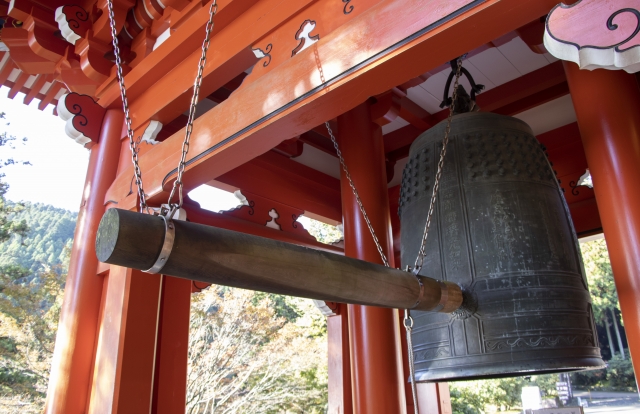
英語での説明: “The tradition of Joya no Kane originated from Chinese Buddhist practices and was introduced to Japan during the Kamakura period (1185-1333). Initially, this practice was limited to major temples and monasteries, but it gradually spread throughout Japan over the centuries. The temple bells themselves, called ‘bonsho,’ are impressive bronze structures that can weigh several tons. Many of Japan’s temple bells are designated as Important Cultural Properties, with some dating back hundreds of years. The craftsmanship involved in creating these bells is considered a traditional art form, producing a distinctive deep tone that can resonate for over a minute.”
対訳: 「除夜の鐘の伝統は中国の仏教習慣に起源を持ち、鎌倉時代(1185-1333年)に日本に伝わりました。当初、この習慣は主要な寺院や僧院に限られていましたが、何世紀もかけて徐々に日本全国に広まりました。梵鐘と呼ばれる寺院の鐘自体は、数トンの重さがある印象的な青銅の構造物です。日本の多くの梵鐘は重要文化財に指定されており、何百年も前にさかのぼるものもあります。これらの鐘を作る職人技は伝統芸術とみなされており、1分以上響き続ける独特の深い音色を生み出します。」
除夜の鐘の現代における体験方法
現代では、多くのお寺で一般の人々も鐘を撞く体験ができるようになっています。京都や鎌倉などの観光地では特に人気のイベントです。
英語での説明: “Today, many temples across Japan allow visitors to participate in ringing the bell, making it an interactive cultural experience. Famous temples in Kyoto, Kamakura, and other tourist destinations often attract large crowds on New Year’s Eve. Participants typically need to arrive early and wait in line for their turn, as the number of people who can ring the bell is limited. Some temples distribute numbered tickets, while others operate on a first-come, first-served basis. The experience of striking the massive bell with a wooden beam is both physically demanding and spiritually meaningful. Many temples also serve amazake (sweet rice wine) and provide warming bonfires for those waiting in the cold winter night.”
対訳: 「今日では、日本中の多くの寺院で訪問者が鐘を撞く体験に参加できるようになっており、インタラクティブな文化体験となっています。京都、鎌倉、その他の観光地にある有名な寺院は、大晦日に大勢の人々を惹きつけます。参加者は通常、早めに到着して順番を待つ必要があります。鐘を撞ける人数には限りがあるためです。番号札を配布する寺院もあれば、先着順で運営する寺院もあります。木製の撞木で巨大な鐘を撞く体験は、肉体的に負担がかかると同時に精神的に意義深いものです。多くの寺院では甘酒を提供し、寒い冬の夜に待つ人々のために焚き火も用意しています。」
除夜の鐘と欧米の年越しの違い
欧米の賑やかなカウントダウンとは対照的に、除夜の鐘は静かで内省的な年越しの形です。この違いは文化的価値観の違いを反映しています。
英語での説明: “Unlike the loud, celebratory countdowns common in Western cultures with fireworks and parties, Joya no Kane represents a more contemplative and spiritual approach to welcoming the new year. While Western New Year celebrations often focus on excitement and entertainment, the Japanese tradition emphasizes reflection, purification, and renewal. The slow, deliberate rhythm of the bell—with pauses between each strike—encourages mindfulness and meditation. This doesn’t mean Japanese people don’t celebrate; many attend temple bell ringing and then visit shrines for hatsumode (first shrine visit) or enjoy New Year’s feasts with family. The combination creates a unique balance of solemnity and joy.”
対訳: 「花火やパーティーを伴う欧米文化の騒がしく祝祭的なカウントダウンとは異なり、除夜の鐘は新年を迎えるより瞑想的で精神的なアプローチを表しています。欧米の新年の祝賀がしばしば興奮と娯楽に焦点を当てるのに対し、日本の伝統は内省、浄化、再生を強調します。各打撃の間に間を置いた、ゆっくりとした意図的な鐘のリズムは、マインドフルネスと瞑想を促します。これは日本人が祝わないという意味ではありません。多くの人が除夜の鐘に参加した後、初詣のために神社を訪れたり、家族と新年の祝宴を楽しんだりします。この組み合わせが、厳粛さと喜びの独特なバランスを生み出しています。」
除夜の鐘に関する現代的な課題
近年、除夜の鐘をめぐって「騒音」として苦情が寄せられるケースも報告されており、伝統文化の継承における現代的な課題となっています。
英語での説明: “In recent years, some temples have faced noise complaints from residents, leading to debates about preserving tradition versus respecting modern urban lifestyles. A few temples have shortened the number of bell strikes, changed the timing, or even discontinued the practice. However, these cases remain rare, and the vast majority of Japanese people still cherish this tradition. This situation reflects broader questions about how traditional practices adapt to contemporary society while maintaining their cultural significance. Most communities recognize Joya no Kane as an important intangible cultural heritage worth preserving for future generations.”
対訳: 「近年、一部の寺院では住民から騒音苦情が寄せられており、伝統の保存と現代都市生活の尊重との間で議論が生じています。いくつかの寺院では鐘を撞く回数を減らしたり、時間を変更したり、あるいは習慣を中止したりしています。しかし、これらのケースは稀であり、日本人の大多数は依然としてこの伝統を大切にしています。この状況は、伝統的な習慣が文化的意義を維持しながら現代社会にどのように適応するかという、より広範な問題を反映しています。ほとんどのコミュニティは、除夜の鐘を将来の世代のために保存する価値のある重要な無形文化遺産として認識しています。」
まとめ:除夜の鐘を通じた日本文化の理解
除夜の鐘は、日本人の精神性や仏教文化、そして時間に対する独特の感覚を象徴する伝統行事です。外国人に説明する際は、単なる「鐘を撞く儀式」ではなく、一年の煩悩を払い、清らかな心で新年を迎えるという深い精神的意味があることを伝えることが重要です。
この記事で紹介した英語表現を活用して、欧米の友人や同僚に除夜の鐘の魅力と意義を伝えてみてください。静寂の中に響く鐘の音に耳を傾けることで、日本文化の奥深さをより深く理解してもらえるはずです。
最後の英語フレーズ: “Joya no Kane is not just about ringing bells—it’s a profound spiritual practice that embodies the Japanese approach to endings and new beginnings, offering a moment of collective reflection and renewal.”
「除夜の鐘は単に鐘を撞くことではありません。それは終わりと新しい始まりに対する日本的なアプローチを体現する深い精神的実践であり、集団的な内省と再生の瞬間を提供するものです。」
外資系企業への英語面接サポート・サービスで不安を解消しましょう!
stephenpong.com では、おひとりおひとりに合わせて
英語面接のサポートをレジュメの作成段階からご指導致します
まずは、お問い合わせください
自分で用意した英文レジュメはこれでいいのかな?
英語面接の質問とその答え方はどう準備したらいいの?
英語の面接に不安を感じる、模擬面接で練習したい?!
これらのお悩みをすべて解決します!
お気楽に下記フォームからご相談ください!
人生を動かしましょう!
ごく稀に、返信メールがお客様の迷惑フォルダに紛れ込んでいる場合がありますのでご注意ください。